


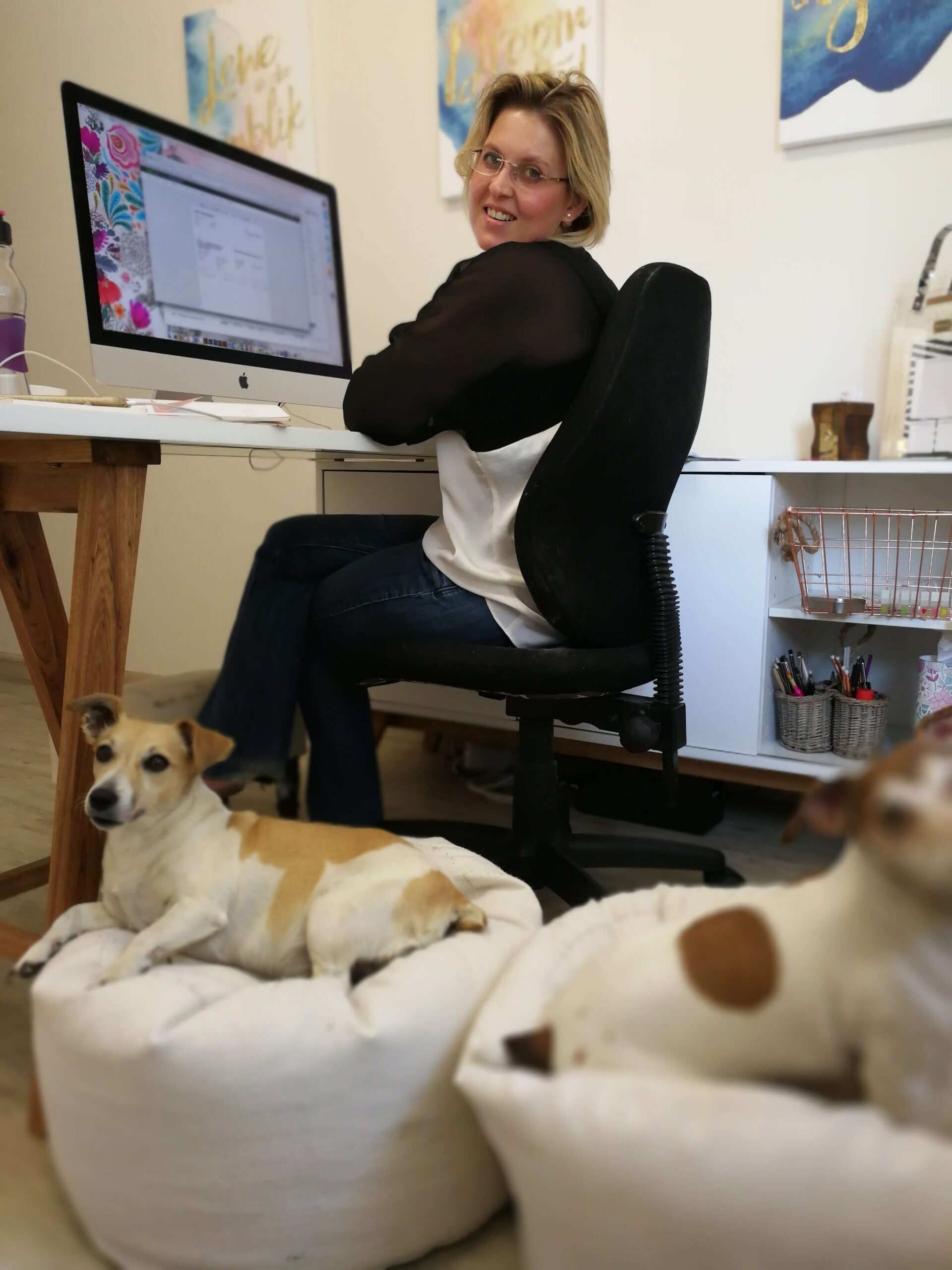


There’s this weird pressure on freelancers now.
You open Instagram and suddenly you’re meant to have:
a niche, a brand voice, a content plan, a perfectly styled desk, a morning routine, a “signature offer”, and a client pipeline that looks like it’s sponsored by heaven.
Meanwhile you’re just trying to finish a logo, reply to five emails, and remember if you ate.
And can I just say… this topic — how I started Kunshuis — is the most requested one I get.
In emails, in DMs, in voice notes from other designers… it always comes back to the same question:
“How did you actually start? Like… what did you do first?”
So if you’re in that season — starting out, starting again, or quietly wondering if you’ve been doing this “wrong”… I want you to breathe for a second.
Because I built Kunshuis without a niche.
Without a big plan.
Without social media.
Without templates.
Without knowing what I was doing half the time.
And I’m still here.
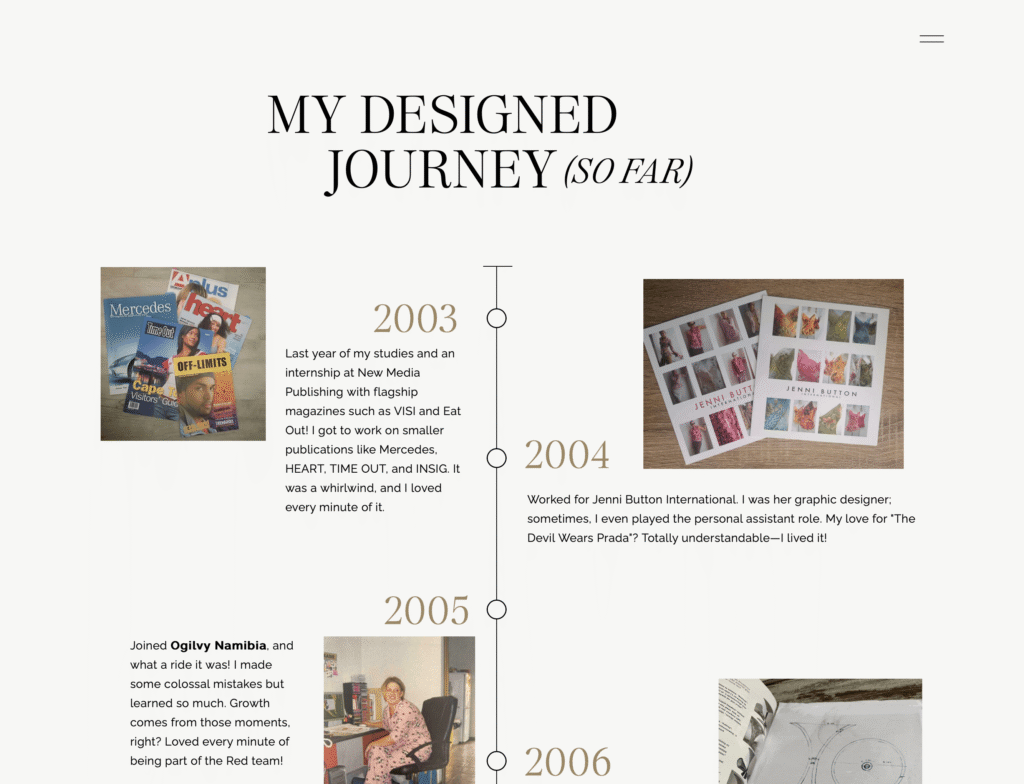
I started Kunshuis in 2009.
But I officially traded properly — alone, no extra income, full freelancer life — from 2010.
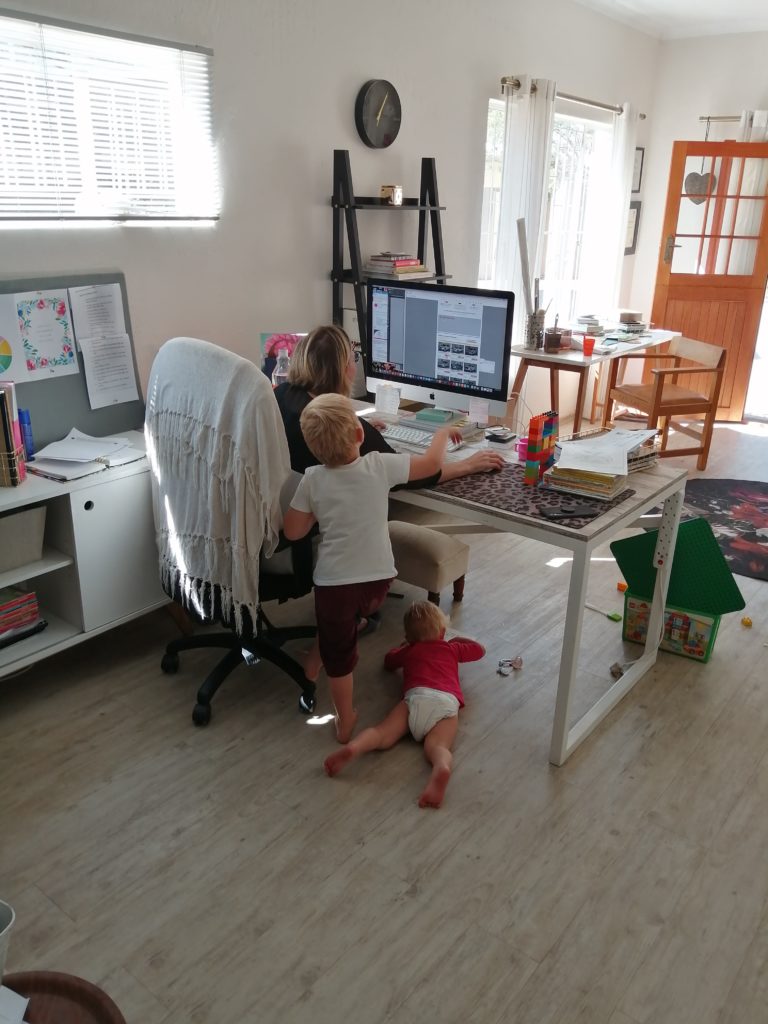
I was working at an advertising agency at the time, and I wanted to work for myself so badly.
Not because I was ungrateful.
Not because I was “too good for a job”.
I just… felt it.
That pull.
Like God quietly tapping you on the shoulder saying,
“Okay. It’s time. Let’s do the thing.”
And I didn’t feel ready.
I was scared.
I was excited.
I was also newly married a minute later… so yes, I really went for the full experience. 😅
But here’s what I want you to know:
I didn’t start with confidence.
I started with movement.
What I did first (and it’s not glamorous)
I did the most basic thing.
I told people I was available.
I contacted everyone I knew.
Not the current agency clients — I’m not trying to be messy.
But people I knew who had moved on to other companies.
Then I went wider.
I made a list of corporate companies.
I used the phonebook.
I KNOW.
Some of you are like, “What’s a phonebook?”
It was Google… but in paper form and a little bit dusty.
And when that wasn’t enough, I googled.
I phoned.
I SMS’d friends.
I spoke to anyone I knew.
And I just said it plainly:
“Hi. I do design work. I’m available after hours and weekends. Do you need help?”
No big speech.
No fancy positioning.
No pretending I was a studio with a team.
Just: I’m here. I can help. Let’s go.
And then I worked after hours.
Over weekends.
Quietly building a rhythm.
Not just design rhythm — life rhythm.
Because the reality is: freelancing isn’t only design.
It’s admin.
It’s client communication.
It’s learning to quote without wanting to cry.
And pricing?
Eish.
I was unsure.
I didn’t know what I was doing.
But I started anyway.
Because you don’t get confident and then start.
You start.
And then confidence arrives… later… like a friend who’s always late.
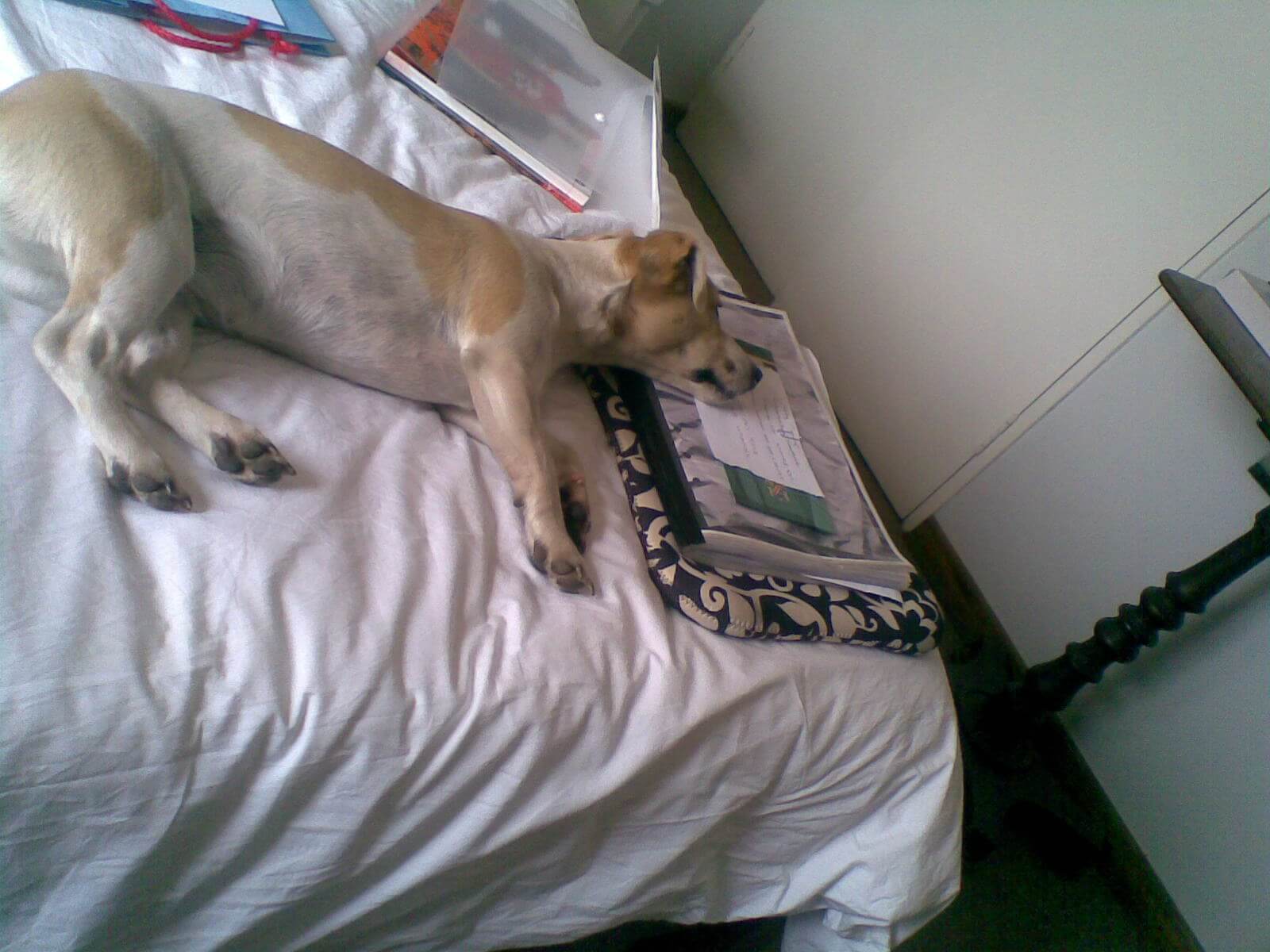
“co-worker”
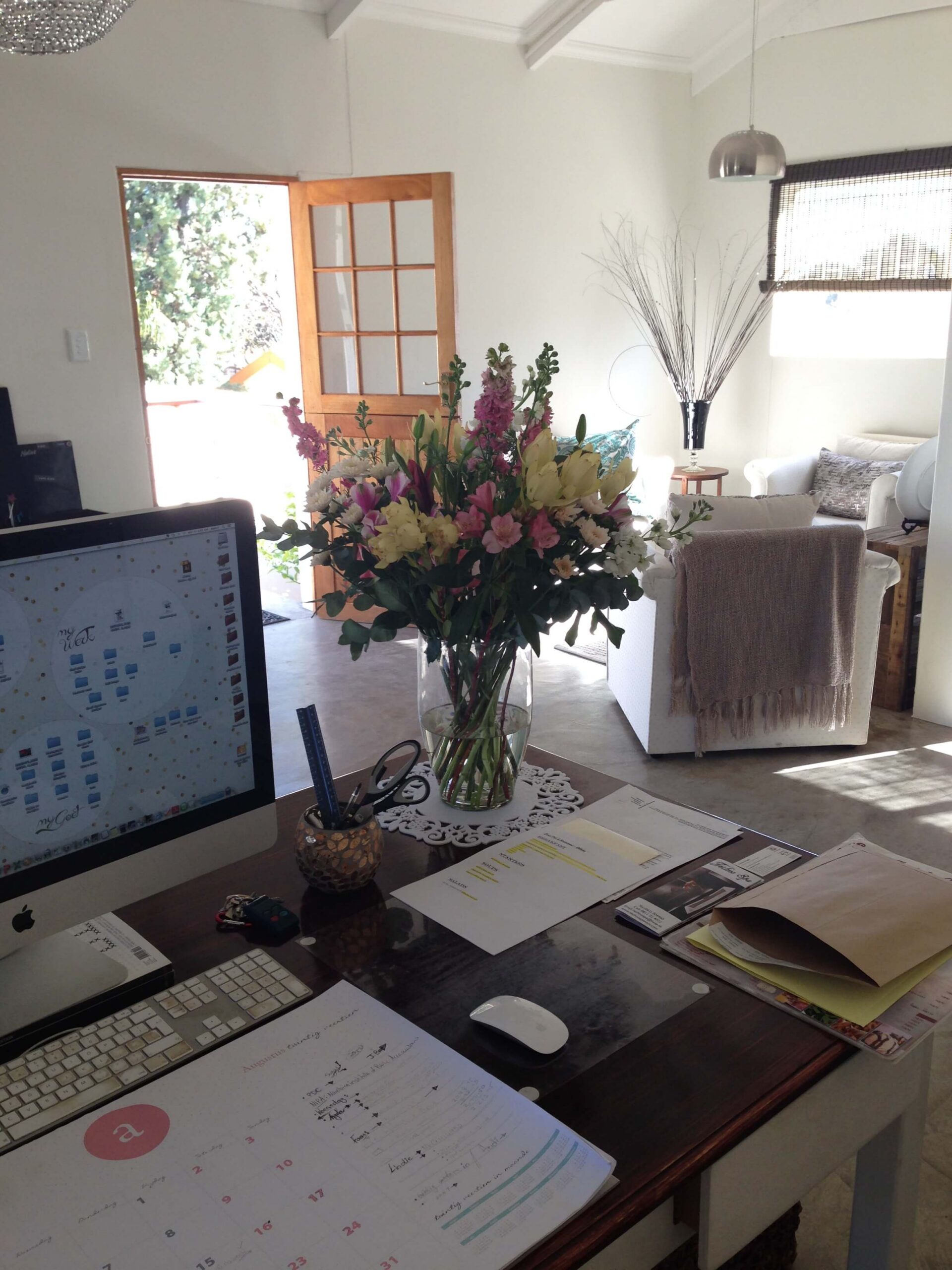
The moment it shifted
After about eight months, I got one client that covered my basics.
Not profit.
Not “soft life”.
Just basics.
Car.
Medical aid.
Laptop.
Life.
And that’s when I jumped.
I quit my job.
I started one month after I got married.
So yes — new wife, new business, new everything.
Chaotic? Absolutely.
(And if you work from home and you’re in that chaos, please go listen to my episode on it.)
But it felt right.
And from there I just kept doing the same thing:
I kept letting people know I was on my own.
And if they needed design work… I was available.
That sentence built Kunshuis.
Not a viral post.
Not a perfect brand aesthetic.
Not a niche.
Consistency.
And relationships.
About the niche thing…
I didn’t niche.
That wasn’t even a conversation back then.
And honestly? I didn’t know what I liked yet.
Everything was design to me.
So I did everything.
Logos.
Brand projects.
Brochures.
Adverts big and small.
Certificates.
Email signatures.
Car branding.
All of it.
And over time I realised something important:
I’m not a fan of big layout projects like annual reports.
They were good money, yes.
But they drained me.
So I limited them. Maybe two a year.
And slowly, naturally, I started shaping my work around what I enjoyed more.
That’s the part people skip:
You don’t always niche first.
Sometimes you learn first.
You collect experience.
You build skill.
You build taste.
And then you refine.
And even now — I’m known more for branding… but I still do smaller jobs.
A logo only.
A signature only.
Car branding only.
Because the world needs it all.
And smaller work is often what keeps a freelancer stable.
Sexy projects are lovely.
But consistency pays the rent.
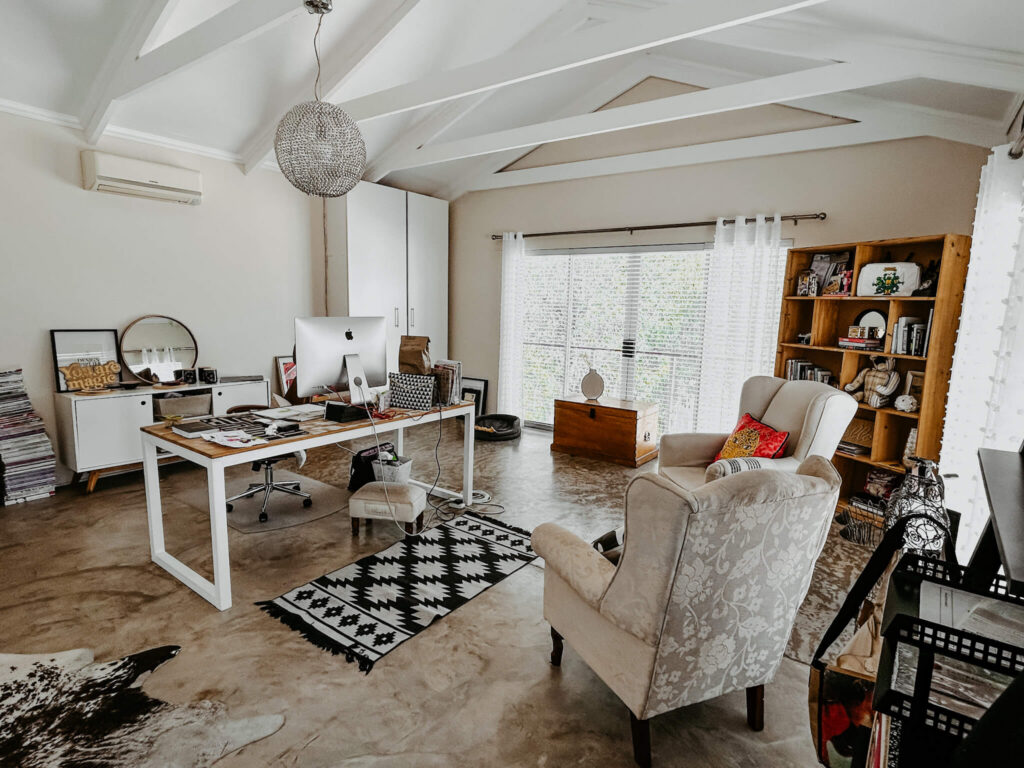
The admin ritual that saved my brain
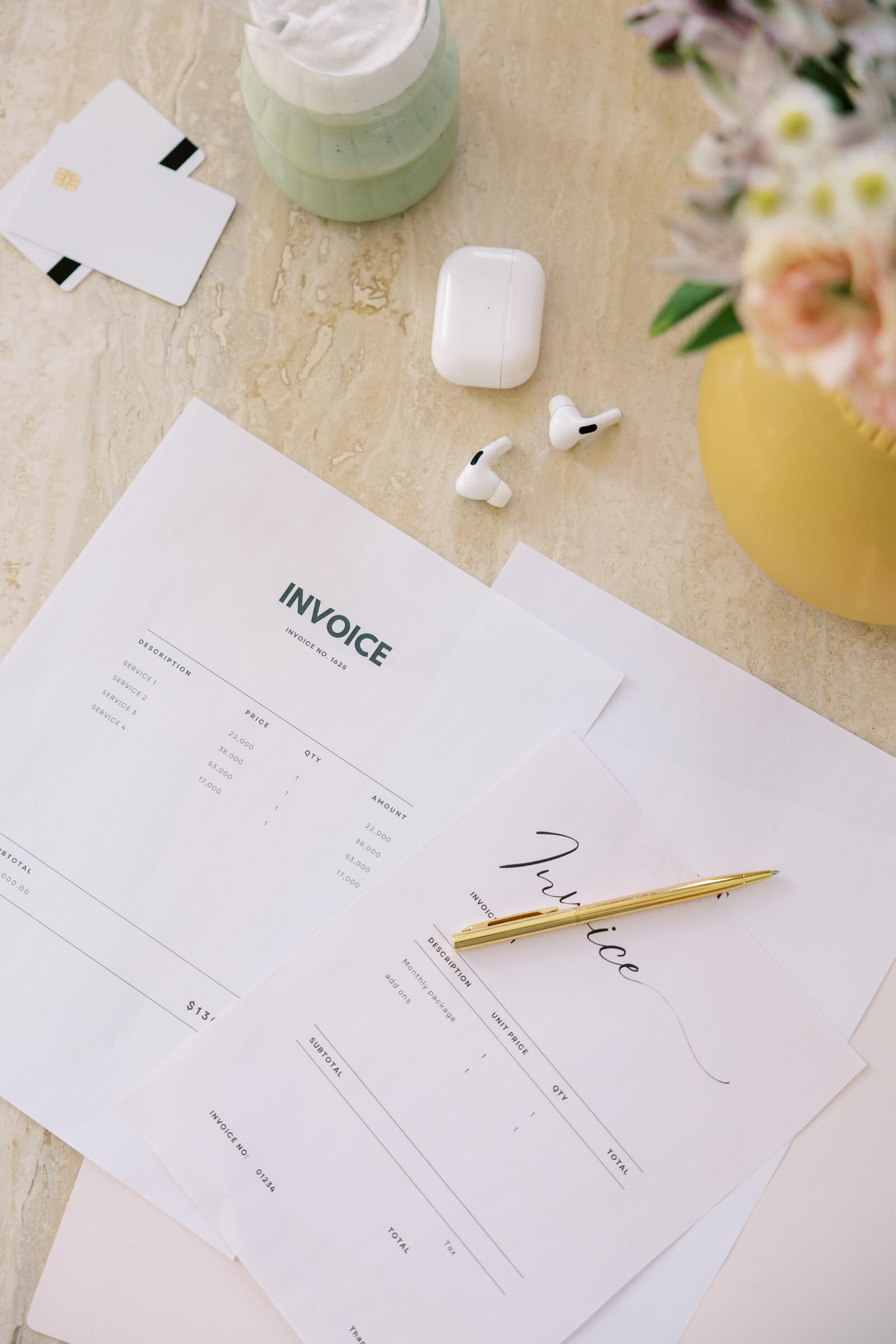
I invoiced clients once a month.
End of the month, I took one day and invoiced everyone.
And then I always took the next day off.
Always.
Movies.
Mall.
Lounge.
Nothing.
It was like my little monthly “well done”.
And I’m telling you this because freelancing is emotional.
Your nervous system needs moments of reward.
It’s not indulgence.
It’s sustainability.
Design Your Life isn’t only about work systems.
It’s about how you take care of you while you build.
Before Notion… I had chaos and a diary
I didn’t track work like I do now.
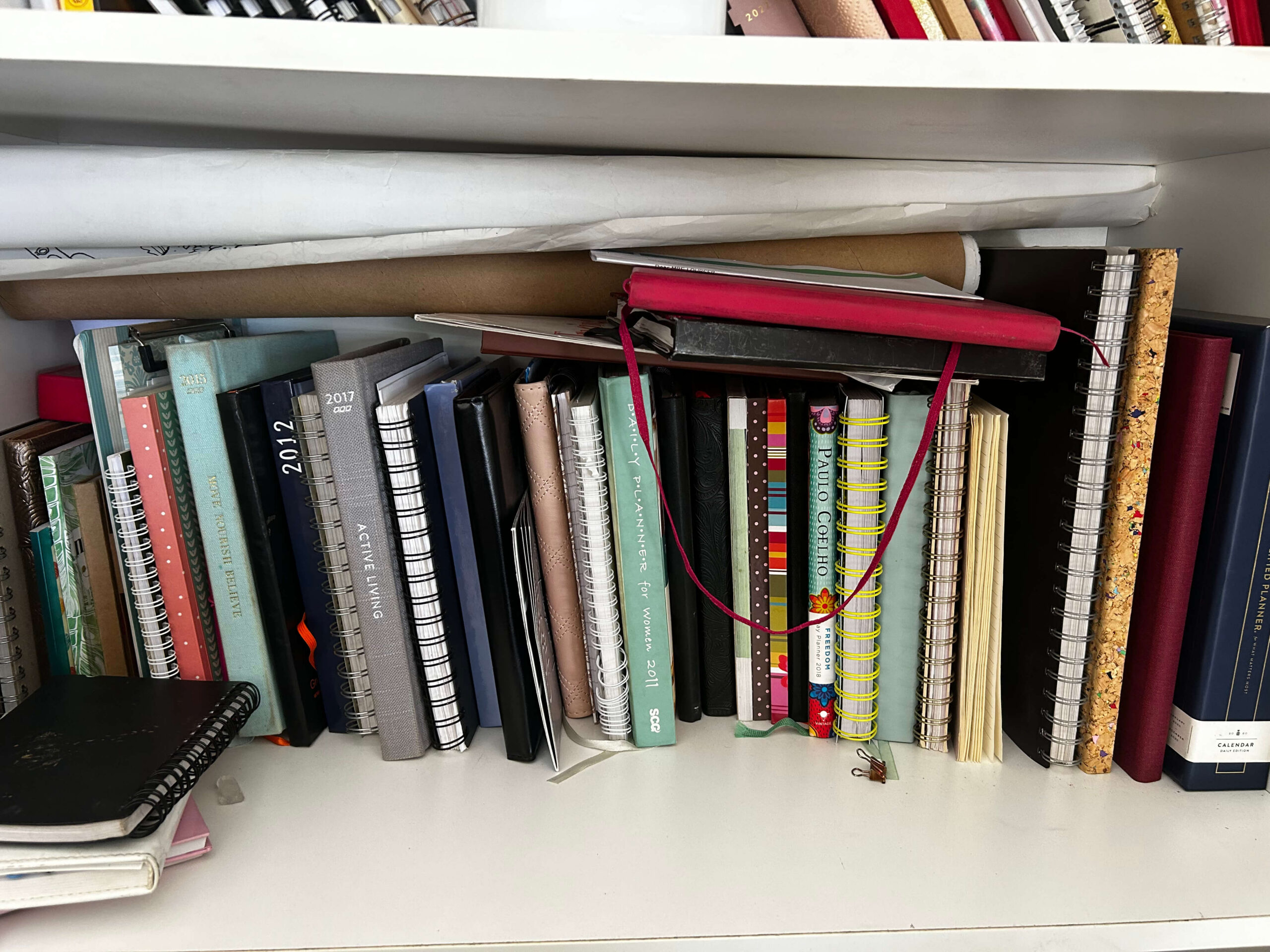
I always had planners. Every year.
I wrote jobs in the planner and at month-end I’d go through it to make sure I invoiced everything.
It worked… but it was manual chaos.
Now I have it streamlined in my Notion Playbook Desk and honestly?
I wish I had it back then.
Because it doesn’t only save time.
It saves brain space.
And brain space is your most expensive resource when you’re the designer, the admin, the sales person, and the therapist.
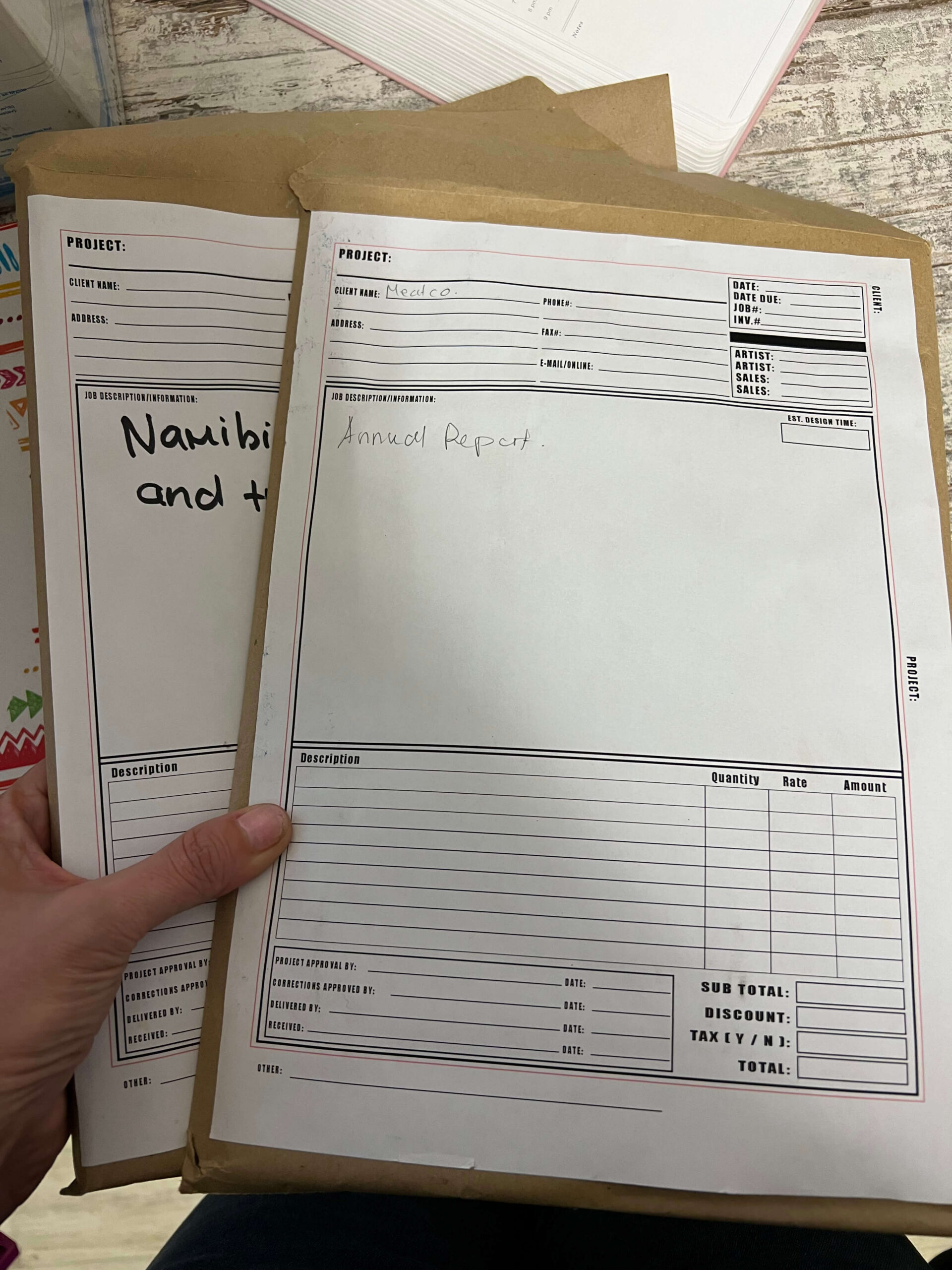
The secret weapon that wasn’t a secret: human interaction
I talked to my clients.
We had meetings.
We built relationships.
And some of those relationships still exist today because it wasn’t transactional.
It was human.
In a world that’s more digital than ever, this is still your advantage:
People don’t just stay for the design.
They stay for how you make them feel while the design is being made.
How I became “professional” (before I felt professional)
I showed up like a business.
I dressed properly.
Not fancy — just present.
I started work at the same time every day.
I had a dedicated work space — even if it was the spare bedroom.
Because the way you treat your work teaches others how to treat it too.
The thing that stopped constant “just checking in…” emails
Weekly status reports.
I had so many clients and projects, I created a Word document.
Client name.
Project list.
Status.
Quote number / invoice number / order number.
And suddenly everyone relaxed.
They knew what was happening.
They didn’t need to chase.
They trusted me.
Nice communication isn’t over the top or outdated.
It’s business.
And it’s one of the fastest ways to change the “designers are difficult” stereotype.
Because yes — designers are still sometimes seen as flaky, distant, arrogant, hard to work with.
Not always fair… but it exists.
And I learnt: if I show up as the professional I want to be seen as, the entire dynamic shifts.
More trust.
More referrals.
More work.
Word of mouth is still the best marketing there is.
Briefing without making clients fill in a form
I did briefing sessions in real life.
I asked questions in meetings.
Because most clients don’t want to fill in a form.
But once they start talking, you get everything you need.
Clients often don’t know what they want.
Designers often don’t know what to ask.
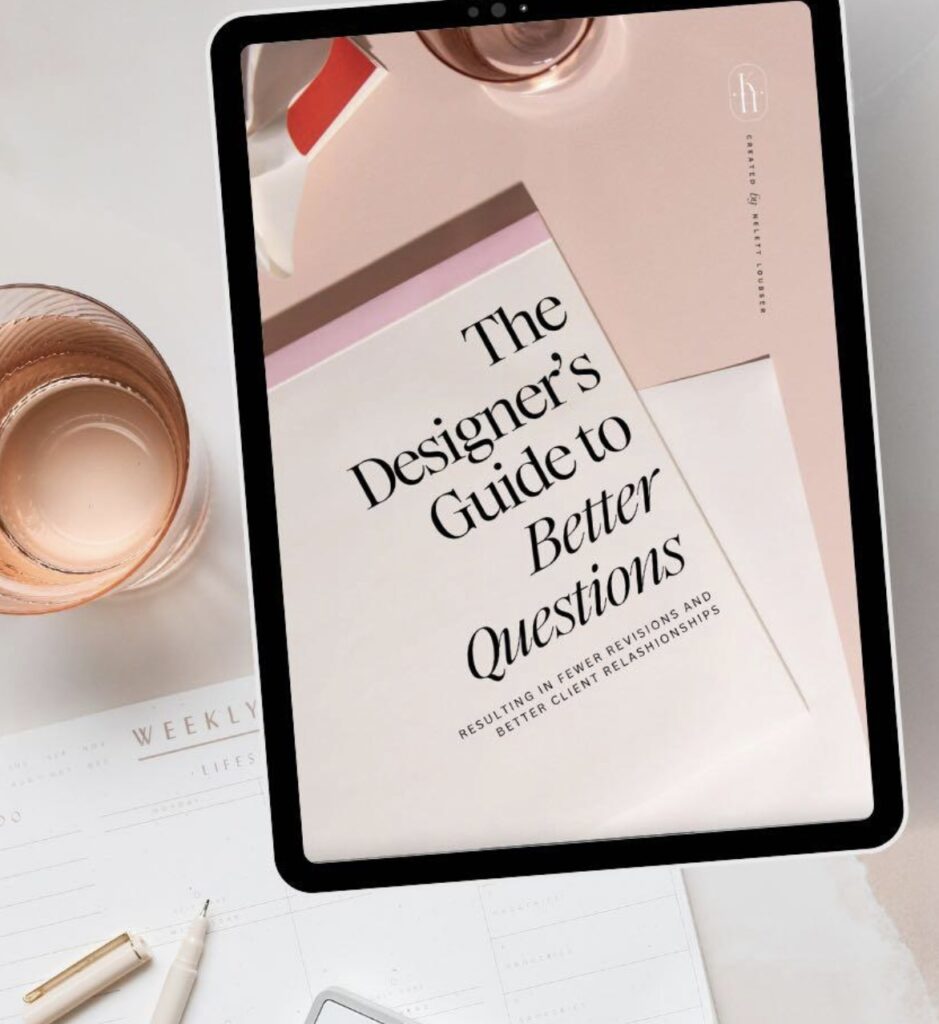
So questions become your map.
That’s why the Questions freebie I created matters so much — those questions are the ones I’ve used for years to get the conversation going.
Not to interrogate clients.
To guide them.
Ego out. Clarity in.
This is a big one.
I had to learn to take ego out the equation.
It’s business, not personal.
Clients will be unsure.
They’ll have opinions.
They’ll say things weird.
They’ll panic when they see a draft.
Your job is to guide the conversation.
Kindly.
Clearly.
Calmly.
No spiralling.
What I wish we had back then (and why I built what I built)
The internet.
Reputable freelancers sharing real info.
Templates.
Workflows.
Business documents.
Morning routine inspiration.
Office setup ideas.
YouTube tutorials.
We didn’t have that.
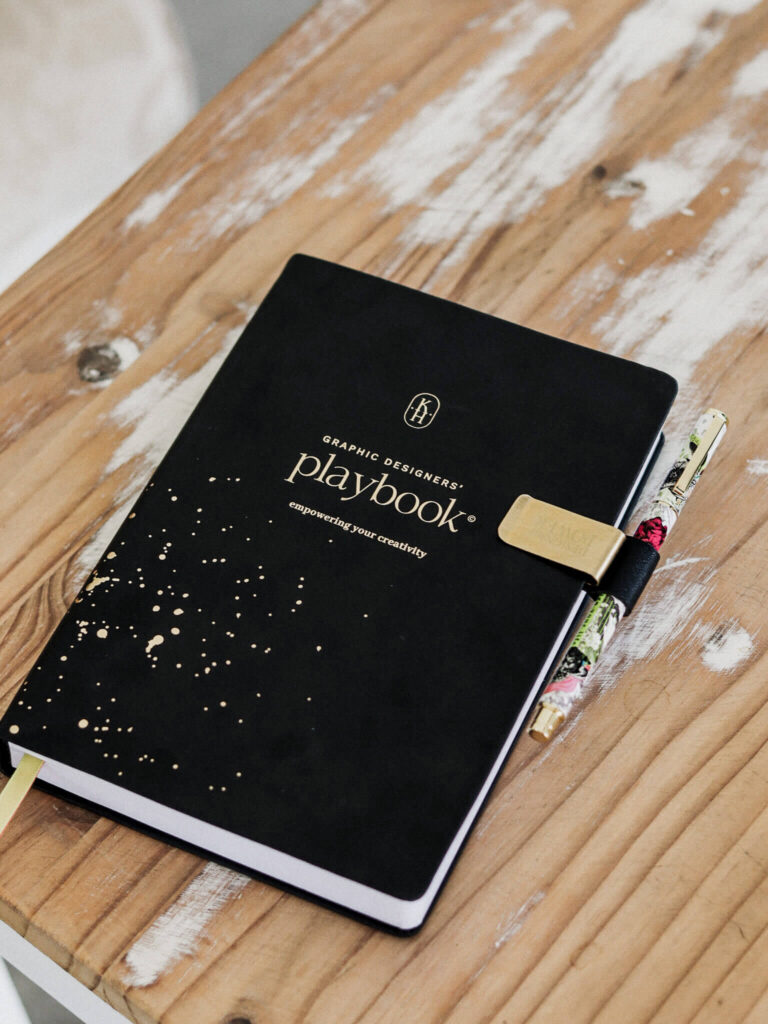
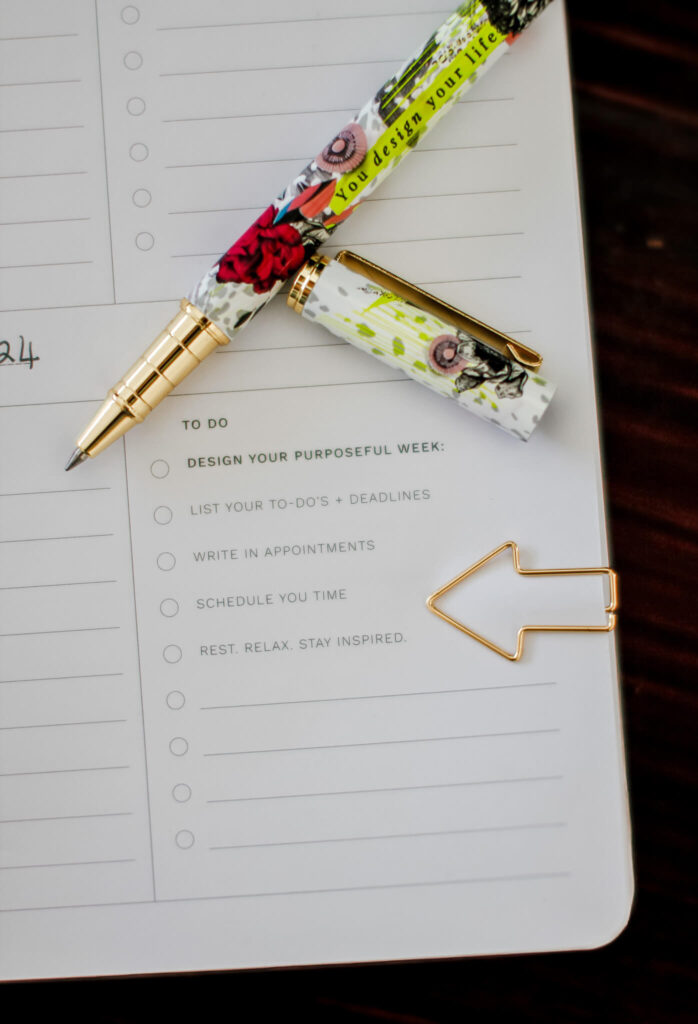
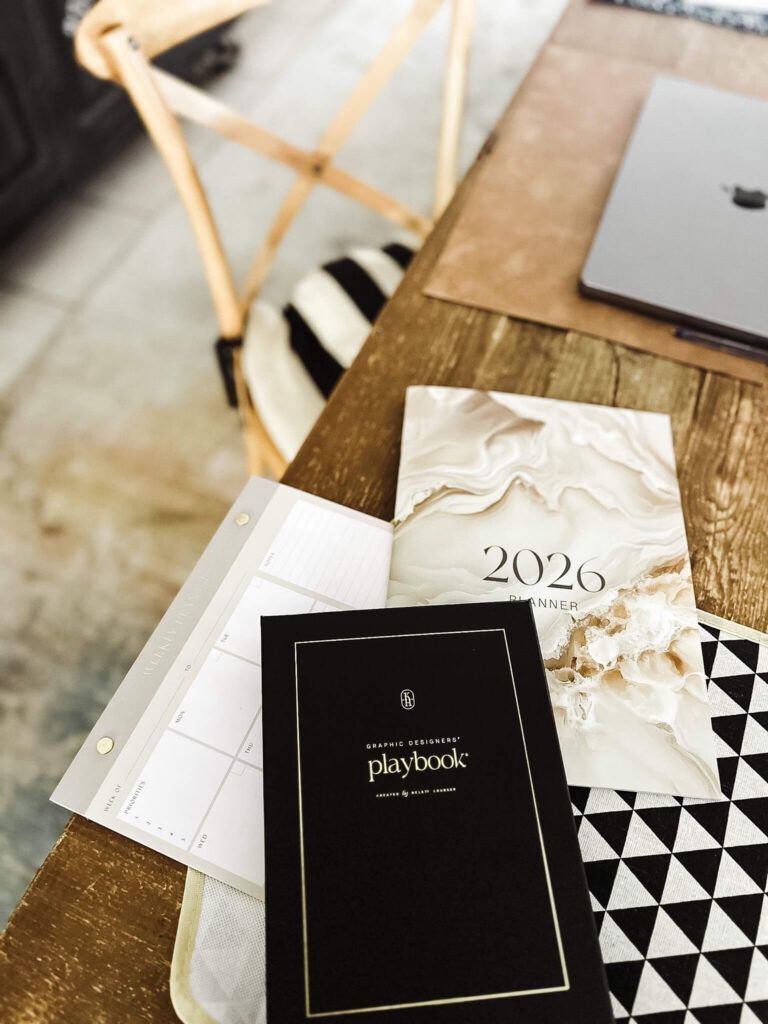
So yes, that’s part of why I created the Playbook Planner and the Playbook Desk.
Because I remember what it felt like to figure it all out alone.
And it’s also why I want to build Freelance to Flourish — a space where creatives can learn, share, and help each other in one place… without living on five different apps.
Because you deserve a home base.

If I started today, I’d still do this
If I started Kunshuis today, I would still:
- Tell people I’m available (simple and consistent)
- Build relationships like they matter (because they do)
- Do a variety of work to gain experience (then refine later – IF you want to – you do not have to niche)
- Create a basic tracking system for quotes, invoices, and jobs – and be consistant in sending quotes and invoices
- Communicate clearly and regularly (status reports are gold)
- Ask better questions instead of guessing
- Keep learning — always
- And create rhythms that keep me human (like invoice day + recovery day)
Tools change.
The Basics doesn’t.
From one designer to another
If you’re building right now — messy, unsure, not fully confident…
You’re not behind.
You’re not “too scattered”.
You’re not failing because you don’t have a perfect niche.
You’re building the way most real businesses are built:
One person.
One laptop.
One brave conversation.
One month at a time.
And that counts.
Before you go…
I’m curious — what do you want to know more about how I started Kunshuis?
Was it pricing?
Finding clients?
How I handled awkward feedback?
My first “oh no, what am I doing?” moments? 😅
The systems? The confidence? The faith side of it?
Hit reply (or leave a comment) and tell me what you’re curious about — and I’ll share more. If I’ve walked it, I’ll tell you the truth.
And if you’re reading this thinking, “Okay… I need structure. I need a proper way to run the business side without losing myself in it…”
That’s exactly why I built the Playbook Desk + the Business Planner.
Because the planner holds the human — your life, your feelings, your rhythm, your goals, your faith, your real world.
And the desk holds the business — quotes, invoices, projects, clients, tracking, systems… all the stuff that makes freelancing feel steady.
If you want to see what it looks like (and how it all works together), you can find it here:
Kunshuis Playbook Desk + Playbook Planner on my website.
And if you want to see more of the history, clients and awards of KunsHuis over the years – click here.
Design your life, wherever you are. 🤍







BACK TO BLOG HOME